
FREE SPEECH UNION INTERVENES IN EZRA LEVANT UK VISA DISPUTE
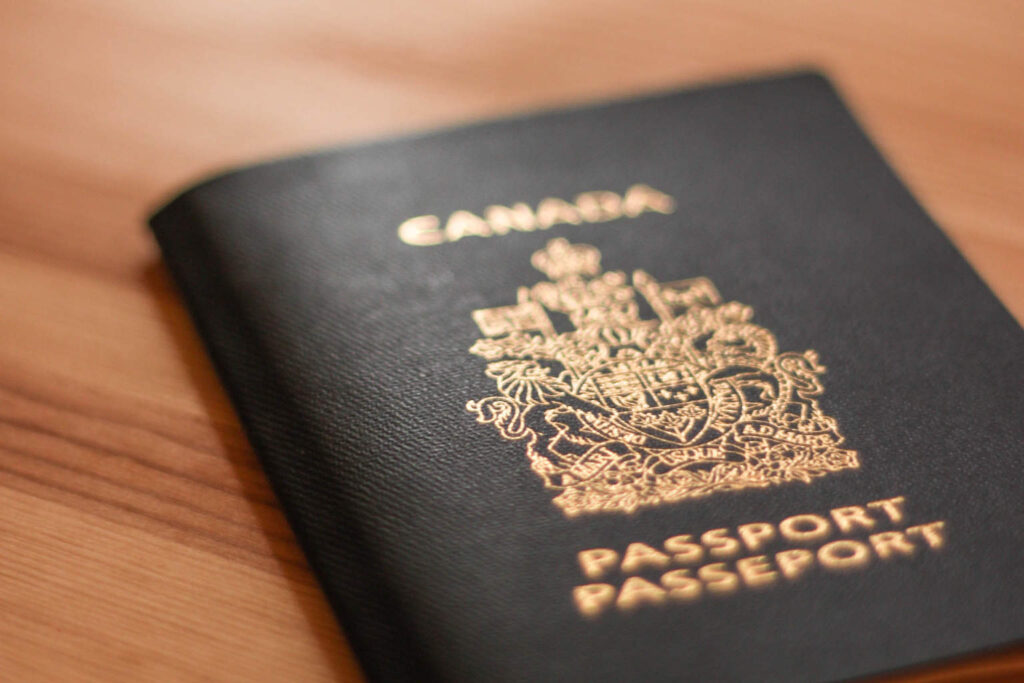
Image by: tookapic from Pixabay
By Martin Foskett, Reporter
PUBLISHED:
UPDATED:
UNITED KINGDOM, London. The Free Speech Union has intervened in the case of Canadian journalist and commentator Ezra Levant after the Home Office failed to issue a decision on an expedited visa application ahead of a political rally in London on Saturday.
Mr Levant, a Gold member of the organisation, had planned to travel to the United Kingdom to attend and report on the “Unite the Kingdom” event. According to correspondence from his solicitors, his Electronic Travel Authorisation was cancelled on 8 May after officials informed him that his “presence in the UK is not considered to be conducive to the public good”.
Following that decision, Mr Levant submitted a visitor visa application and paid £1,000 for the Home Office’s “super priority” service, which is advertised as providing a decision within approximately 24 hours.
Court correspondence seen by Knelstrom Newswire states that biometrics and fingerprints were completed on 11 May. However, as of Friday afternoon, no visa decision had been communicated despite Mr Levant’s scheduled flight departing later that evening.
The Free Speech Union said it hoped its intervention would prompt the Home Office to issue a decision in time for Mr Levant to travel.
In a pre-action protocol letter sent to the Home Office and Government Legal Department, lawyers acting for Mr Levant argued that the delay was unlawful and potentially politically motivated.
The letter states that Mr Levant is a journalist travelling to undertake “lawful journalistic activities and reporting” in relation to the event. It further claims there is no evidence that he has advocated violence, intimidation, terrorism or hatred.
The legal submission argues that withholding a decision until after the rally would amount to differential treatment based on political opinion and would interfere disproportionately with rights protected under Article 10 of the European Convention on Human Rights.
The Free Speech Union said refusing Mr Levant entry would represent a serious breach of free expression principles.
The organisation rejected suggestions that Mr Levant should be categorised as an extremist figure. It said he was not a “far right agitator intent on coming to the UK to spew extremist views”, language previously used by Prime Minister Sir Keir Starmer in relation to individuals blocked from attending demonstrations linked to Saturday’s event.
Mr Levant is the founder of the Canadian media outlet Rebel News and is known for commentary on immigration, free speech, Islamism and Middle Eastern politics. He has been a prominent supporter of Israel during the ongoing conflict with Hamas.
The Free Speech Union said there was no lawful basis to exclude him from the country on public order or security grounds. It stated that Mr Levant had no criminal convictions and had never promoted violence or terrorism.
The intervention also drew comparisons with the treatment of Hasan Piker, the American political commentator and online broadcaster, who is scheduled to appear at an UnHerd event in London on 5 June.
The organisation alleged inconsistency in the Home Office’s approach to politically controversial speakers, arguing that outspoken supporters of Israel appeared to face greater scrutiny than activists aligned with the Palestinian cause.
No evidence was provided that Mr Piker is currently subject to any travel restrictions in the United Kingdom.
The Home Office has not publicly commented on Mr Levant’s case. It has long been government policy not to discuss individual immigration decisions.
The legal letter sent on Friday requests immediate confirmation that the application is being processed “lawfully and without regard to the Claimant’s political opinions or journalistic activities”.
It also warns that if political considerations influenced the delay, such conduct could amount to procedural unfairness, irrationality and an abuse of power.
The “Unite the Kingdom” event is expected to attract campaigners, political activists and commentators from across the United Kingdom and abroad. Police presence in central London is expected to be significant following heightened tensions surrounding recent demonstrations linked to immigration, policing and the Middle East conflict.
Mr Levant’s representatives argue that preventing him from attending as a journalist would undermine the principle of open political reporting.
The Home Office had not issued a further response at the time of publication.